
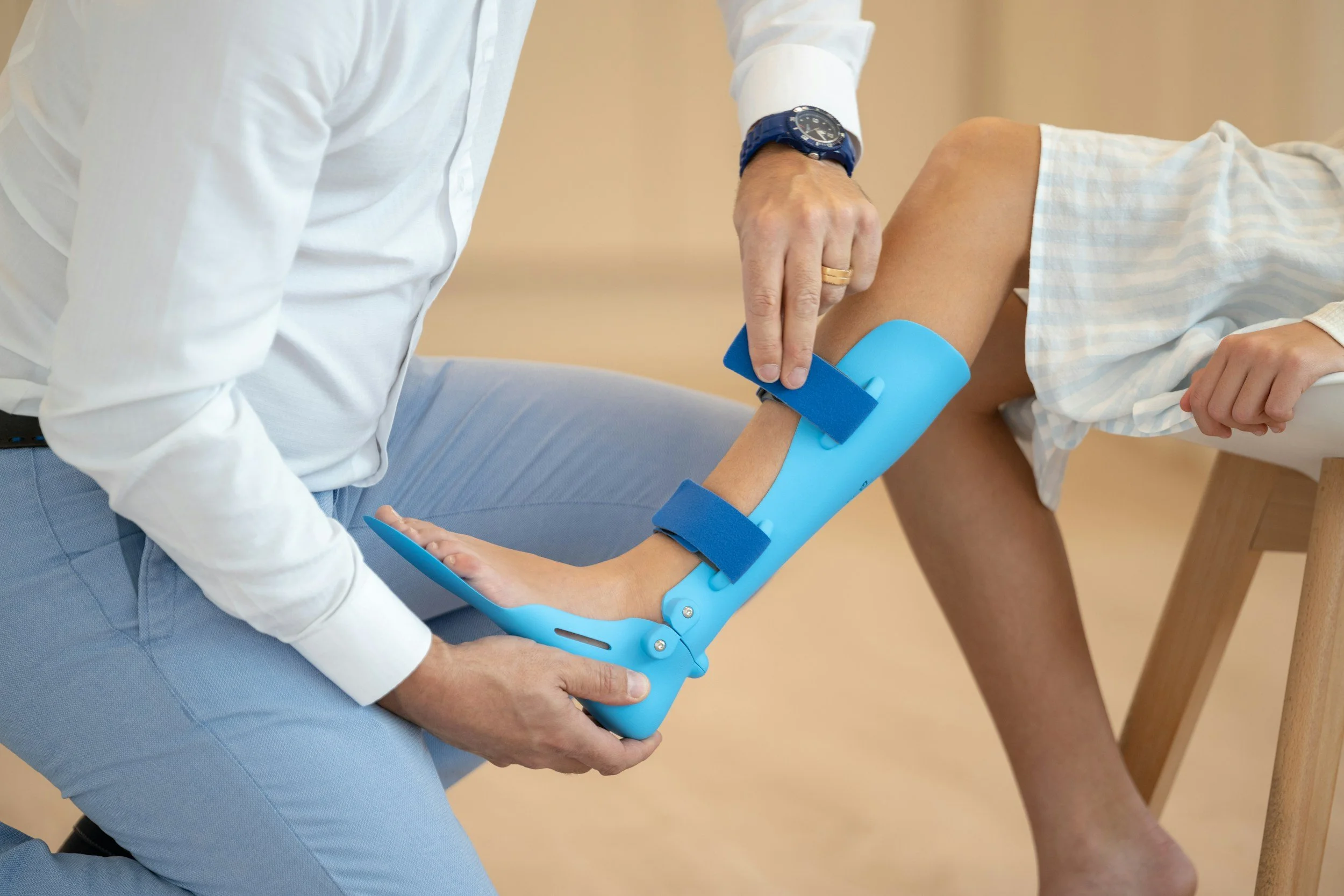
Movement means exploring, playing, learning, participating, and becoming more independent.


Physical Therapy
Physical therapy (PT) helps children develop the strength, balance, coordination, and mobility needed to move confidently through their daily activities. For children, movement means exploring, playing, learning, participating, and becoming more independent.
PT supports skills like:
Gross motor development (walking, running, jumping, and climbing)
Strength, flexibility, and endurance
Balance and coordination
Posture and body alignment
Mobility and movement patterns
Injury recovery and pain-free movement
It’s not about fixing a child — it’s about supporting their development in a way that feels empowering and encouraging.


COMPASSION
We strive to understand your needs and want to support you and your family throughout the therapy process.

TRUST
Building a trusting relationship is a top priority. We are joining YOUR team of dedicated friends, family and other involved providers.

KNOWLEDGE
We work to provide research focused therapy and intervention. Our experience team promotes feedback and the sharing of information to help everyone attain their goals.

ACCEPTANCE
Your insight, personal history, and past experiences are essential, and we want to meet your current needs. Our team alongside you and your family.

CELEBRATION
Little victories should not go unnoticed. We serve clients with excitement during each step within therapy process. We celebrate ALL growth and milestones.

Who Does PT Help?
Physical therapy can benefit children who experience challenges with movement, strength, balance, or coordination. Some children may have difficulty walking, running, climbing stairs, keeping up with peers, or participating comfortably in play and physical activities. Others may need support with posture, flexibility, endurance, mobility, or recovering from an injury. Children with developmental delays, cerebral palsy, Down syndrome, genetic conditions, or other movement-related challenges often benefit from additional support, but therapy is not limited to a specific diagnosis. Every child develops at their own pace, and physical therapy provides individualized support to help them move with greater confidence, independence, and comfort.
Signs PT May Be Beneficial:
Parents often notice small signs before anyone else does. You might see difficulty walking, running, jumping, climbing stairs, or keeping up with peers during play. Some children may appear unsteady, tire easily, frequently trip or fall, favor one side of their body, or avoid physical activities that feel challenging. Others may experience stiffness, weakness, discomfort, or delays in reaching movement milestones. If you’ve found yourself wondering whether your child could use extra support, that instinct is important. Physical therapy does not require a crisis—it simply offers proactive guidance to help your child move with greater confidence and independence.
Why Early Support Matters
The earlier challenges are identified, the easier it is to build foundational skills. Early support can prevent frustration, build confidence, and support smoother transitions into school and social environments.
You don’t have to wait until things feel “big enough.” Support is proactive — not reactive.
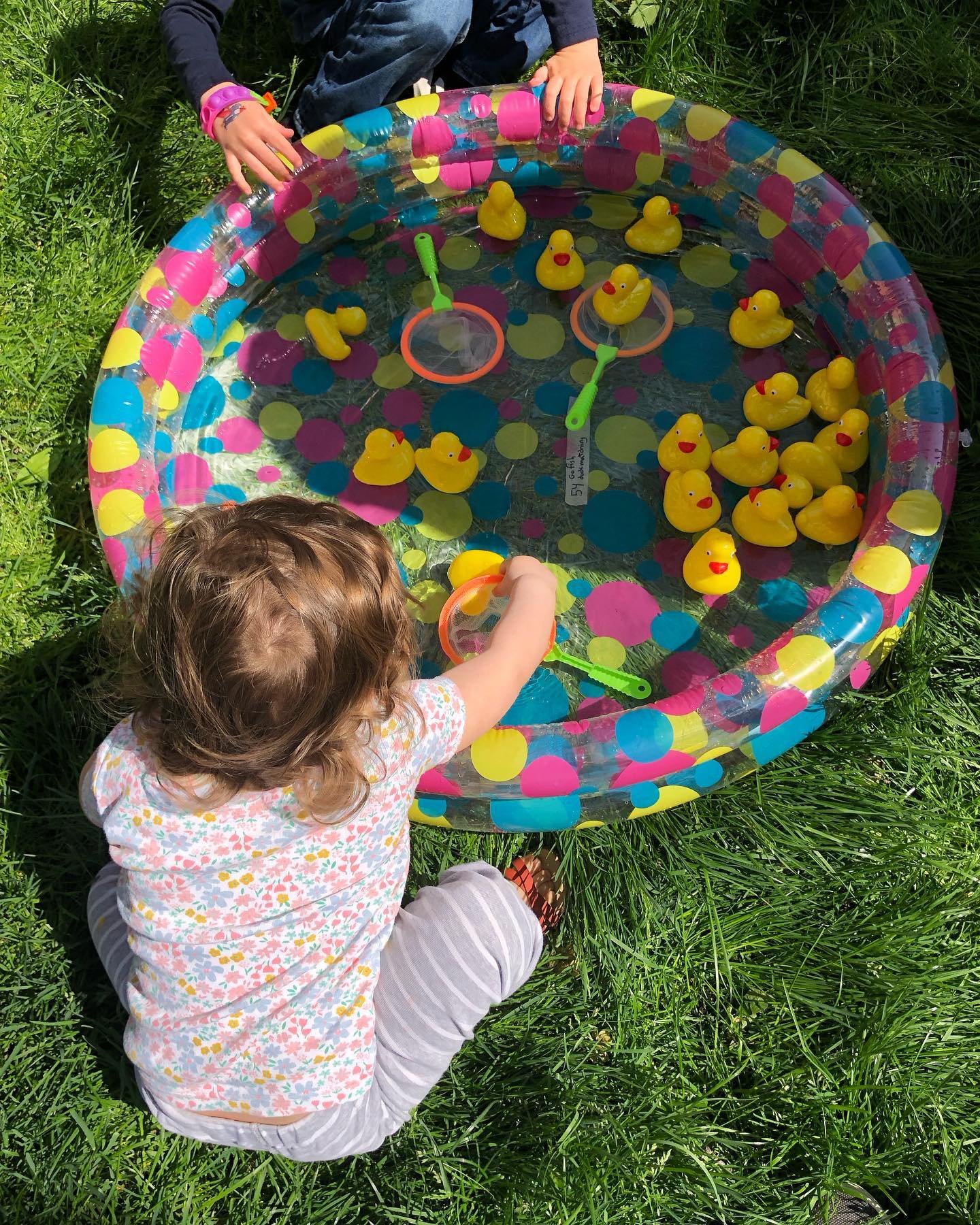


Every child develops differently — PT simply provides extra support when needed.
Physical Therapy FAQ
-
Most PT sessions are 45- 60 minutes, depending on goals and needs of the client.
-
We can help your child with feeding, sensory differences, dressing, hygiene, emotional regulation, motor planning, executive functioning, visual perceptual differences, coping strategies, and more.
-
Unfortunately, yes. However, please reach out and we will add you to our list.
-
All ages! While we are primarily a pediatric clinic, we service adults as well.
-
Of course! Some families prefer to wait in the waiting room, others find it helpful to watch sessions. Talk with your clinician to find a plan that works best for you and your child.
-
Email us at team@owltherapyservices.com with a little information about the individual needing services. We like to know their name, age, services you’re looking for (PT and/or speech), primary goals or areas of support, and general availability.